
Hraparak: There Is Chaos in the Prosecutorial System — Vacant Positions Are Being Filled by Inexperienced Personnel
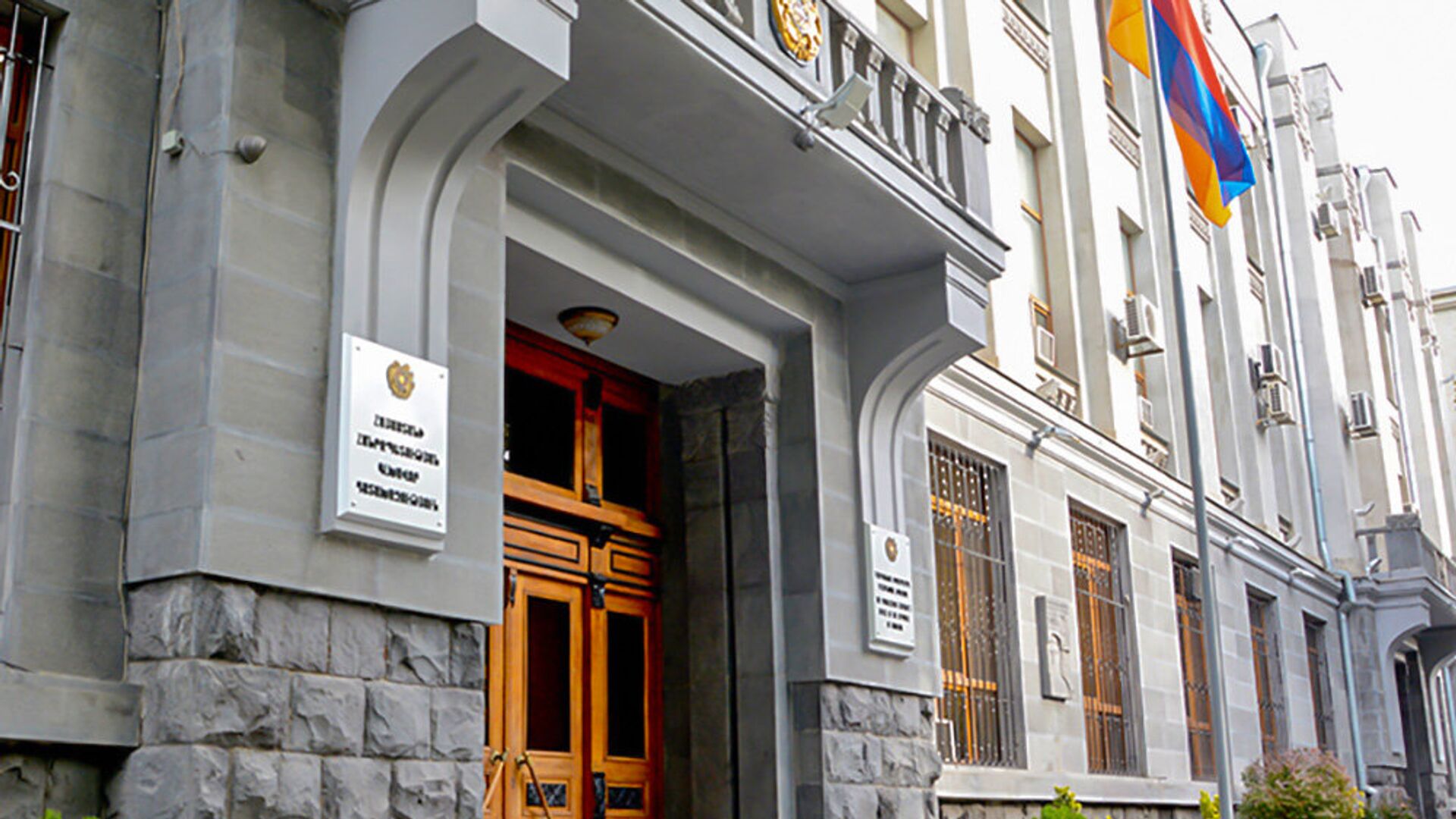
The outflow of personnel, the shortage of experienced specialists, and excessive workloads continue to be serious problems in the prosecutorial system. In a conversation with the Hraparak daily newspaper, Petros Petrosyan, a longtime employee of the Prosecutor’s Office and a former prosecutor, presented the reasons for his departure from the system and the shortcomings in the organization of work.
The Prosecutor’s Office has announced a competition to replenish the list of candidates for prosecutors carrying out the function of confiscating property of illicit origin. Applications will be accepted from October 13 to November 2, while the competition will take place after January 15, 2027. Although this unit is one of the most prestigious and highest-paid structures in the prosecutorial system, it has vacant positions, and prosecutors from other units of the system are in no hurry to transfer there.
According to Petros Petrosyan, the main reasons for leaving the system include the irregular organization of work, excessive workloads, and a shortage of experienced personnel. In his assessment, a significant proportion of prosecutors and investigators have two to three years of work experience, as a result of which they struggle to navigate complex and non-standard situations. Consequently, many prefer less demanding work or temporarily leave public service.
According to the former prosecutor, as a result of experienced specialists leaving the system, newly recruited employees often lack sufficient preparation to fully perform their duties. He emphasized that the position of prosecutor is not merely about its outward, representative aspect: it requires professional training, responsibility, and dedication to public service.
Petros Petrosyan also addressed prosecutors’ aspirations to become judges. In his assessment, the guarantees associated with holding office should be stronger in the judicial system, since judicial independence and security of tenure are international principles. However, he said that cases of judges’ powers being terminated are currently concerning, while possible changes being discussed as part of constitutional reforms could make their status even more uncertain.
Petros Petrosyan does not place responsibility for staffing problems solely on the new generation of prosecutors and investigators. He believes that the presence of inexperienced specialists, the shortage of experienced personnel, and shortcomings in work organization are interconnected. Whereas in the past newly appointed investigators were taught the intricacies of professional work over the course of several months, today, he says, a newly appointed investigator may receive more than 60 criminal proceedings on their very first day.
“The same is true of prosecutors: 60 people are appointed, 70 are dismissed, and so they remain in this constant cycle,” Petros Petrosyan noted.
In his assessment, the system lacks the necessary reserve of trained personnel. Competitions are not organized in such a way that previously selected candidates can be invited to work when needed. As a result, vacant positions in various units are filled mainly by inexperienced specialists, including recent graduates who enter prosecutorial work after a short period of training.
According to the picture presented by Petros Petrosyan, the problems in the prosecutorial system are caused not only by a shortage of personnel, but also by shortcomings in professional training, the distribution of work, and the organization of public service. Under these conditions, the ongoing cycle of appointing and dismissing employees continues, while the problem of vacant positions remains unresolved.