
“Hraparak Daily”: The Increase in Passport and ID Card Fees Will Place an Additional Annual Burden of Around 4 Billion Drams on Citizens
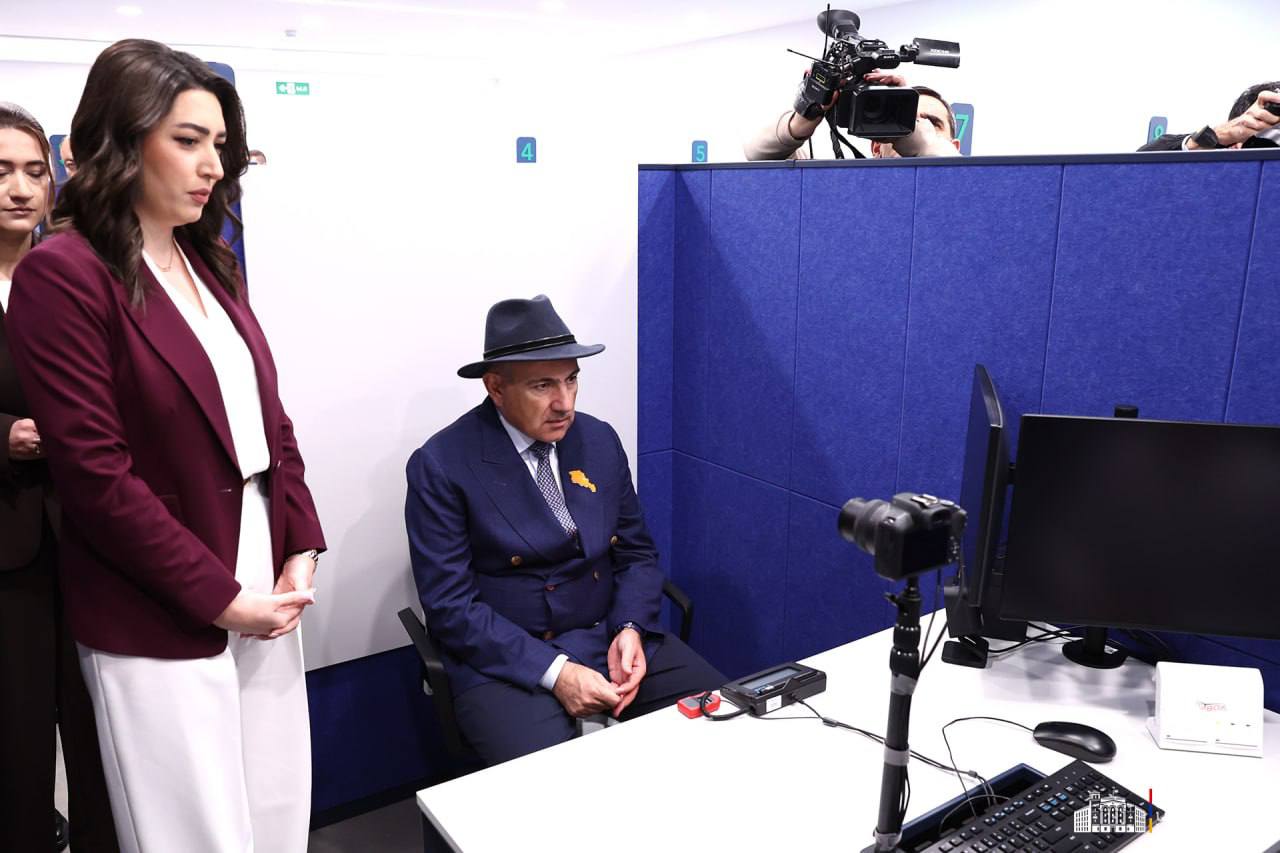
Obtaining an identity document in Armenia could turn into a significant financial expense for ordinary citizens. As a result of the new tariffs for passports and identity cards, citizens will be forced to pay several times more than before for their documents. According to a publication by Hraparak Daily, the additional expenses for the population resulting from the price increases could exceed 40 billion drams over a ten-year period.
Passport at 28,650 Drams: As a Result of the Price Increase, More Than 40 Billion Drams Could Be Collected from Citizens Over 10 Years
According to the calculations presented by Hraparak Daily, the new tariffs for ID cards and passports could place an additional financial burden of more than 40 billion drams on Armenia's population over a ten-year period. This concerns a sharp increase in fees for state services, which could have a particularly heavy impact on pensioners and low-income families.
ID Card Price Almost Doubles, Passport Price Rises Nearly 29-Fold
According to the publication, the fee for issuing an ID card is increasing from 3,000 drams to 5,950 drams. This represents an increase of 98.3 percent.
The change in the passport tariff is even more drastic. Instead of the previously established 1,000 drams for blue and red passports, citizens must now pay 28,650 drams. In other words, the cost of the state service is increasing approximately 28.6-fold, or by 2,765 percent.
These figures show that obtaining identity and travel documents is becoming significantly more expensive for citizens.
How Is the Calculation of 40 Billion Drams Arrived At?
The calculations presented by Hraparak Daily are based on Armenia's approximately 2.4 million residents aged 16 and above and the ten-year validity period of the documents.
According to the calculation, the additional revenue collected from the increased ID card fees could amount to approximately 7.1 billion drams over ten years.
In the case of passports, the calculation was made on the assumption that half of the population — approximately 1.2 million people — will also obtain a travel passport over the ten-year period. In this case, the volume of additional payments would amount to 33.2 billion drams.
Thus, the additional expenses for citizens resulting from the price increases for both documents could reach 40.3 billion drams over ten years. On an annual average, this amounts to around 4 billion drams.
This is a calculated estimate presented in the publication, not an amount that has already been actually collected. It is based on the population figure and the stated assumptions regarding the issuance of passports.
For Pensioners, a Passport Could Become a Heavy Financial Burden
The social consequences of the price increases become particularly evident when compared with pensioners' incomes.
Hraparak Daily notes that, given a minimum pension of approximately 45,000–50,000 drams, obtaining a passport costing 28,650 drams means paying more than 57 percent of one month's pension for the document alone.
The ID card fee of 5,950 drams also amounts to approximately 12 percent of the minimum pension.
For a family of four, the situation is even more difficult. If all family members need to obtain travel passports, they will have to pay 114,600 drams instead of the previous 4,000 drams. The difference amounts to 110,600 drams.
State Service or an Additional Source of Budget Revenue?
The main issue raised by Hraparak Daily is the accessibility of state services. An identity document is not an ordinary everyday purchase for a citizen. It is necessary for carrying out numerous legal and administrative procedures, as well as for establishing one's identity both within the country and abroad.
Under such circumstances, the sharp increase in tariffs could have particularly severe consequences for citizens whose incomes are not growing at the same rate.
The author of the publication, Arshak Sargsyan, notes that, without a system of social benefits, such price increases effectively become an additional burden for socially vulnerable groups and pensioners.
The justification for increasing state service tariffs, the calculation of their cost price, and the absence of social benefits require separate clarification. A comparison of the published figures shows the kind of expenses millions of citizens could face simply to obtain their identity documents.