ARSEN TOROSYAN: “WHO’S GUY,” “MINISTER OF DEATH,” AND UNANSWERED QUESTIONS
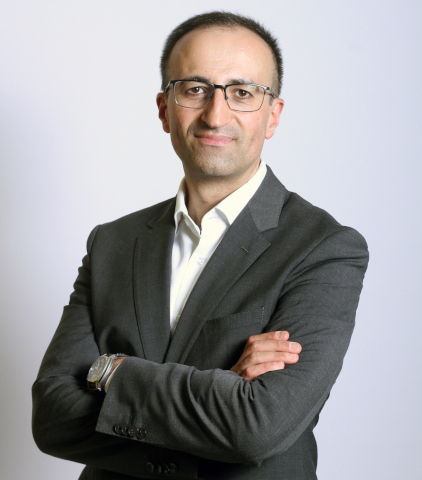
Current investigation concerns one of the most controversial representatives of Nikol Pashinyan’s team — Arsen Torosyan. A physician by profession, former Minister of Health, former Chief of Staff of the Prime Minister, member of parliament, and one of the most recognizable officials of the ruling party, Torosyan became, during his years in government, a symbol of a number of scandals, administrative failures, and questions to which Armenian society has still not received convincing answers.
Over the years, he has been given various nicknames. During the coronavirus pandemic, he was called “WHO’s guy” for his unquestioning adherence to the recommendations of the World Health Organization (WHO). After the 44-day war, public opinion gave him another name — “Minister of Death,” associating it with the crisis surrounding the identification of fallen servicemen and the numerous tragedies accompanying that process.
The COVID-19 pandemic became the main test for Arsen Torosyan. It was under his leadership that unprecedented restrictions were introduced, major state procurements were organized, and tens of billions of drams in budgetary funds were spent. However, the result was disastrous: Armenia found itself among the countries with the highest coronavirus mortality rates in the world, with approximately 3,144 deaths per one million inhabitants.
At the same time, the authorities’ policy was accompanied by contradictory statements from the minister himself. At the beginning of the pandemic, Torosyan claimed that coronavirus was not classified among particularly dangerous infections; later, he warned of a possible collapse of the healthcare system, and subsequently admitted that the authorities might have made decisions too late.
The story of COVID-related procurements deserves particular attention. As early as spring 2020, a significant portion of procurements was effectively removed from the standard system of state oversight. The state allowed transactions to be concluded outside the usual procedures, without full competition and, in a number of cases, without the mandatory package of documents. More than 50 billion drams in budgetary funds and international assistance amounting to several hundred million dollars were directed toward the fight against the pandemic.
However, the Audit Chamber subsequently identified serious violations at almost every stage of pandemic management. The audit recorded the absence of a strategic action plan, overpayments amounting to millions of drams to medical institutions, problems related to patient registration, a lack of transparency in certain procurements, and discrepancies of nearly 7 billion drams in the accounting of medicines. The auditors also found that the ministry did not have a comprehensive system for monitoring the expenditure of funds and the reliability of the information being submitted.
The pandemic period was also accompanied by criminal scandals. The most high-profile was the case involving “Medline Clinic,” in which the investigation reported the falsification of 829 medical histories and the illegal receipt of hundreds of millions of drams from budgetary funds. At the same time, law-enforcement bodies uncovered numerous schemes involving fake vaccination certificates and the issuance of PCR tests. Hundreds of citizens received documents without actually being vaccinated or undergoing laboratory tests, while charges were brought against dozens of medical workers.
No less serious questions are connected with Arsen Torosyan’s activities in the period following the 44-day war. It was the Ministry of Health that was responsible for the functioning of the forensic examination system and the identification of fallen servicemen.
Hundreds of Armenian families waited for months for the results of DNA examinations. Relatives of the deceased repeatedly reported identification errors, refused to accept remains without additional examinations, and were forced to turn to foreign laboratories. One case received international attention when remains were handed over to a family that were later found to belong to another person.
The story of the Abovyan morgue became a symbol of the crisis. In 2021, the public saw footage showing hundreds of remains of Armenian servicemen stored in plastic bags on the floor of a basement. Following the scandal, the Ministry of Health was forced to acknowledge the fact of improper storage. The Investigative Committee later officially confirmed the absence of the necessary conditions for storing the remains. However, despite the enormous public outcry, the issue of the political responsibility of the healthcare system’s leadership remained unanswered.
Against this backdrop, the financial interests of Arsen Torosyan’s family also deserve attention. The company “MIBS,” associated with the former minister’s wife, Varduhi Tevanyan, has consistently increased the volume of state funding it receives in recent years. While the company received approximately 160 million drams from the state in 2022, by 2024 the volume of payments had reached nearly 259 million drams. At the same time, Varduhi Tevanyan’s own income increased sharply, as she began receiving not only a salary but also dividends from the company’s activities.
At the same time, the family’s property assets were expanding. During Arsen Torosyan’s time in government, plots of land were acquired in Tsaghkadzor, Parpi, Karashamb, and other settlements. In 2024, a residential house worth 75 million drams appeared in the family’s ownership in Tsaghkadzor. Moreover, certain transactions were carried out with the participation of people from Torosyan’s close circle and individuals connected to the family business.
The story of the fish-farming company “Fish Farm Management” is of particular interest. Control over the enterprise was concentrated in the hands of the politician’s father, Gevorg Torosyan, and his partners, who are from the former minister’s close circle. Precisely during the period when Arsen Torosyan held one of the key positions in the executive branch, the company obtained the right to use significant water resources for commercial activities. The overlap between the state positions held by family members and the commercial interests of the business inevitably raises questions that require additional transparency.
During his years in government, Arsen Torosyan repeatedly presented himself as an uncompromising fighter against corruption and abuses. However, documents, declarations, audit conclusions, criminal case materials, and numerous public scandals paint an entirely different picture. The pandemic with record mortality, billions of drams in spending accompanied by numerous violations, the crisis surrounding the identification of the fallen after the war, the story of the Abovyan morgue, state financing of the family business, and the consistent expansion of property assets leave far more questions than answers.
This is why Arsen Torosyan’s story should not remain merely a subject of public debate and journalistic investigations. The facts, documents, and testimonies collected by HAN point to the need for a thorough legal assessment of his activities and of the actions of the system he headed during the pandemic and the 44-day war. HAN’s investigation shows that this is not a series of isolated episodes, but the systemic story of one of the most controversial representatives of Nikol Pashinyan’s team and the consequences of his decisions, for which the Armenian people have paid an excessively high price. The question of holding Arsen Torosyan accountable for the failures, abuses, and tragic consequences associated with the ministry he headed remains one of the fundamental issues of public justice in contemporary Armenia.