
COP17’s Green Showpiece and the Real Armenia
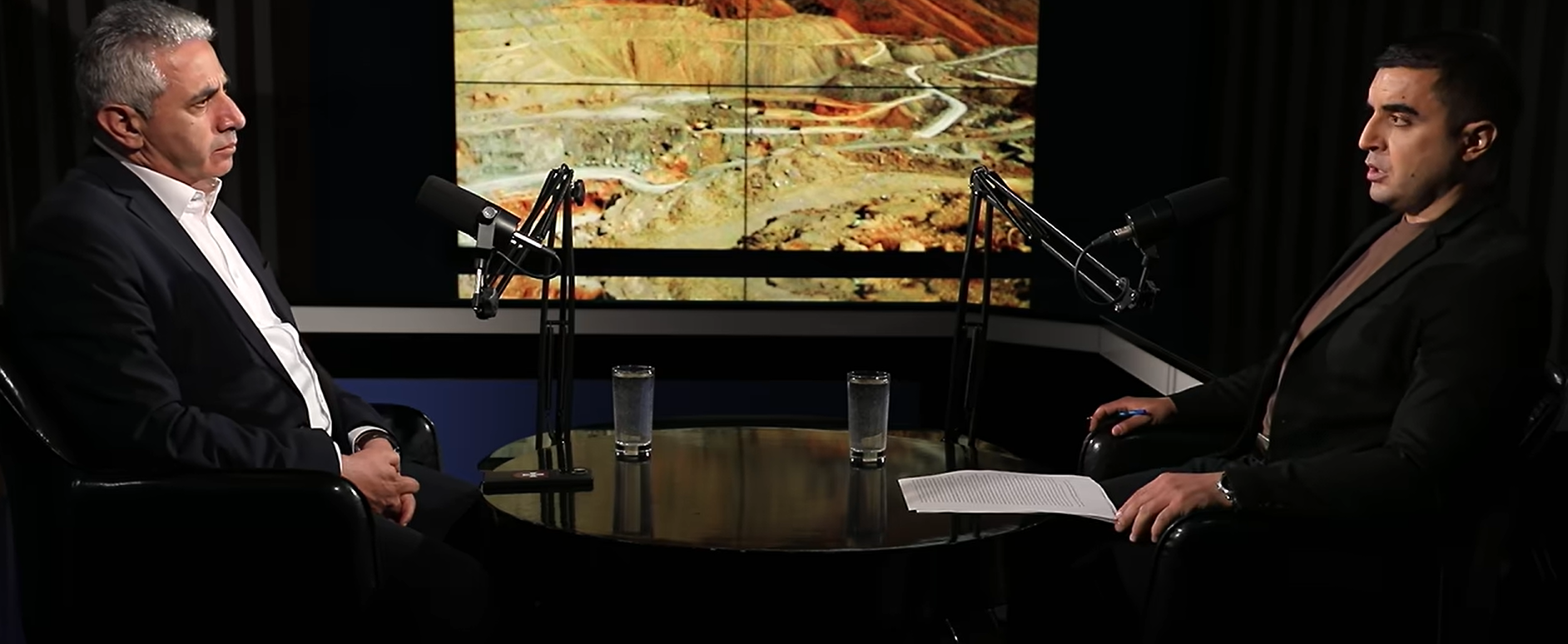
Armenia is hosting an international environmental conference while the gold mine at Amulsar has opened, Yerevan is choking on dust, Lake Sevan continues to be polluted, and the authorities themselves describe water system management as being in crisis. During the 163rd episode of 168 TV’s “Two Fronts” podcast, Edgar Ghazaryan and Davit Sargsyan exposed the political and financial aspects of this contradiction, raising the questions of what state money is being spent on and who will be held accountable for the environmental damage accumulated over the years.
The launch of the Amulsar mine became the main topic of the program. For years, Nikol Pashinyan and representatives of his political team had spoken about the need to reassess the risks of metal mining. Yet on October 10, Pashinyan attended the opening ceremony of the Amulsar mine—the very project that had once sparked a protest movement and whose environmental risks many citizens still considered unresolved.
Ghazaryan drew attention to the open cyanide reservoir and the potential consequences of earthquakes and floods, also pointing to the mine’s location near Jermuk. If the mine’s safety is fully guaranteed, the authorities are obliged to prove this through independent expert assessments and publicly available monitoring data.
Questions were also raised during the program about the appointment of Gnel Sanosyan. The former Minister of Territorial Administration and Infrastructure has become the government’s representative at Lydian Armenia and a member of its board of directors. Ghazaryan cited income of 56 million drams received from the company and questioned whether these payments were justified. What duties does the government representative perform, how does he protect the state’s interests, and how is he accountable to the public? Allegations were also made during the program that employees had been dismissed because of their political views, claims that require a separate investigation.
Meanwhile, construction continues in Yerevan, air pollution remains an unresolved problem, and years of promises to protect Lake Sevan have yet to eliminate concerns about wastewater treatment and the protection of the lake’s ecosystem. Reports that water samples from the village of Tsav in Syunik exceeded the permissible threshold for mercury also demonstrate the potential cost of inadequate oversight of water safety. The authorities cannot replace environmental responsibility with announcements about tree planting or by creating a beautiful image for international guests.
Against this backdrop, the question of the costs of organizing COP17 sounds particularly uncomfortable. According to the program’s hosts, expenses for preparing and holding the conference exceed $25 million. On October 8, the government allocated a further 7.6 billion drams from the reserve fund for infrastructure at the event venue. Ghazaryan and Sargsyan questioned the prices of several procurements, the justification for rental agreements, and the procedures used to spend the money.
Watch the details in the video on 168.am.